Homeopathic Treatment for Psoriasis: Symptoms, Root Causes & Long-Term Relief
A comprehensive guide on understanding psoriasis types, triggers, constitutional homeopathic remedies, dietary guidelines, and root-cause healing by Dr. Paramjeet Prabhakar.
Psoriasis is a chronic, non-contagious autoimmune inflammatory skin condition characterized by rapid epidermal cell proliferation. In a healthy individual, skin cells undergo a natural maturation cycle lasting roughly 28 to 30 days. In contrast, individuals suffering from psoriasis experience an accelerated cellular turnover rate of just 3 to 5 days. This rapid accumulation of immature skin cells leads to thick, silver-scaled, inflamed plaques that itch, crack, and bleed.
While conventional dermatological management heavily relies on topical corticosteroids, coal tar, retinoids, or biologic immunosuppressants, these treatments often act as temporary suppressants. When medication is paused, patients frequently suffer severe rebound flare-ups. Constitutional Homeopathy offers a safe, non-steroidal, permanent approach by addressing the internal immune dysregulation that triggers psoriasis.
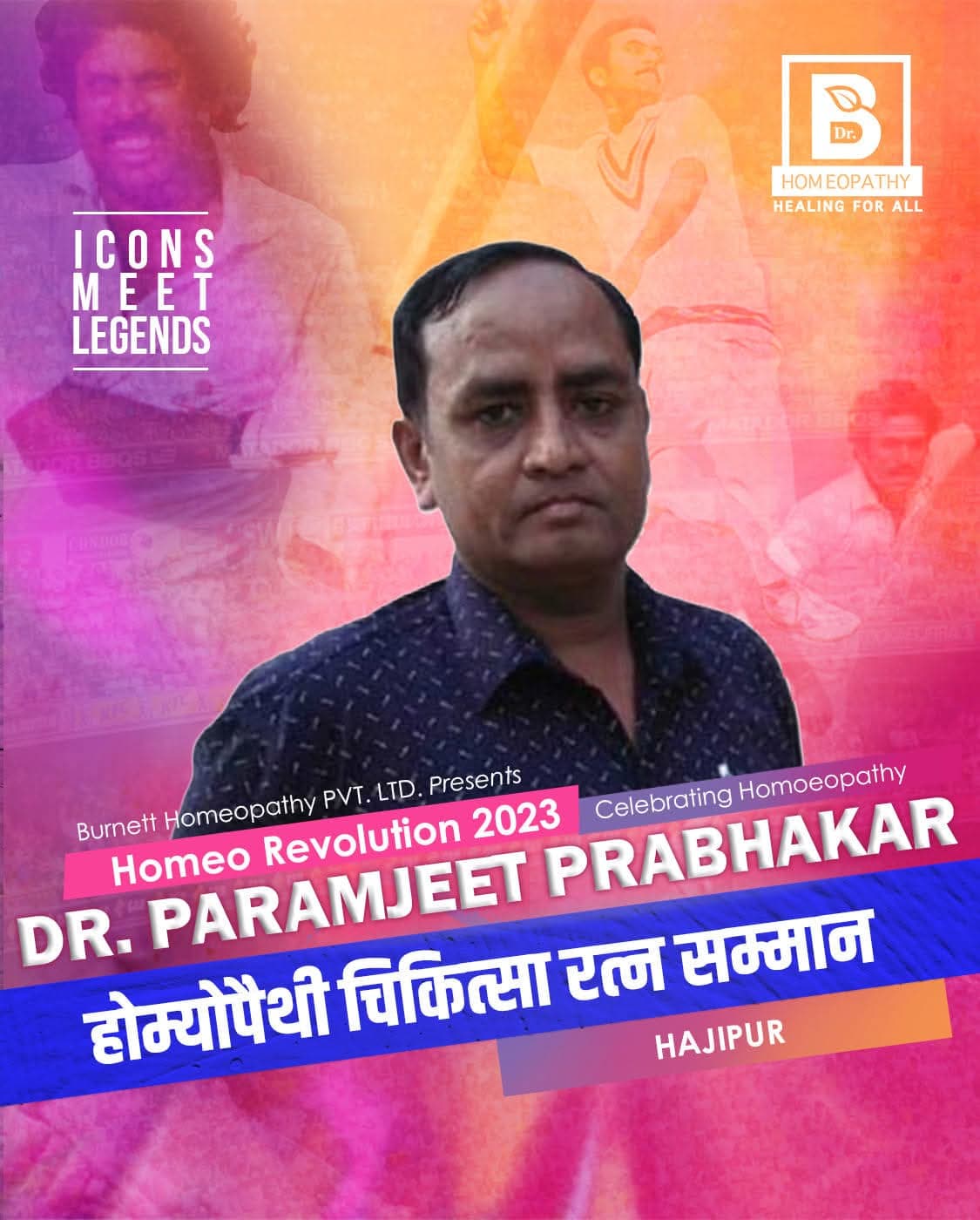
Dr. Paramjeet Prabhakar
Homeopathy Specialist • 26+ Clinical Experience
Pioneer in constitution-based homeopathic treatment for chronic skin, hair, and joint ailments in Bihar.
Understanding the Primary Types of Psoriasis
Different clinical presentations of psoriasis require distinct diagnostic approaches and individualised homeopathic prescribing:
1. Plaque Psoriasis (Psoriasis Vulgaris)
The most prevalent form, accounting for nearly 85% to 90% of cases. It presents as sharply demarcated red plaques covered with silvery-white keratin scales. It predominantly affects the scalp, knees, elbows, lower back, and extensor surfaces of joints.
2. Guttate Psoriasis
Characterized by small, drop-shaped, salmon-pink scaly lesions distributed across the trunk and limbs. Guttate psoriasis frequently develops suddenly in children and young adults following a bacterial throat infection, such as Streptococcal pharyngitis.
3. Scalp Psoriasis
Ranging from mild, dry flaking to dense, adherent silvery crusts covering the entire scalp. Scalp psoriasis can cause temporary hair thinning due to scratching and scale removal, though hair follicles typically remain intact.
4. Inverse (Flexural) Psoriasis
Occurs in body folds and friction areas—such as the axillae (armpits), groin, under breasts, and gluteal folds. Unlike plaque psoriasis, lesions appear as smooth, shiny, bright red inflamed patches without heavy scaling due to localized moisture and friction.
5. Psoriatic Arthritis
An inflammatory joint disease affecting up to 30% of psoriasis patients. It causes joint pain, morning stiffness, and swelling in finger and toe joints (dactylitis or sausage digits), as well as lower back pain (spondylitis).
Causes, Genetic Factors, and Common Triggers
Psoriasis is fundamentally a T-cell-mediated autoimmune response. While genetic susceptibility plays a role, environmental factors and lifestyle stressors act as triggers:
- Emotional & Mental Stress: Stress triggers the release of pro-inflammatory neuro-hormones (such as Substance P and Cortisol), causing immune hyper-reactivity and immediate cutaneous flare-ups.
- Skin Injuries (The Koebner Phenomenon): Cuts, abrasions, insect bites, sunburns, or surgical incisions can trigger new psoriasis lesions precisely at the site of trauma.
- Upper Respiratory Infections: Bacterial and viral infections stimulate antibody production that cross-reacts with skin antigens.
- Metabolic Factors & Diet: Consuming excessive alcohol, processed sugar, red meat, and high-fat foods exacerbates systemic inflammation.
- Climatic Changes: Cold, dry winter weather deprives the skin of moisture, worsening dryness, cracking, and scaling.
Comparative Analysis: Homeopathy vs. Conventional Steroid Treatment
| Feature | Conventional Treatment | Constitutional Homeopathy | | :--- | :--- | :--- | | Primary Mechanism | Suppresses immune activity & skin cell mitosis | Regulates internal immune response naturally | | Steroid Usage | High reliance on topical & oral steroids | 100% Steroid-free & non-toxic | | Side Effects | Skin thinning (atrophy), organ strain, rebound flares | Zero harmful side effects or organ toxicity | | Long-Term Outcome | Temporary symptom management | Deep root-cause resolution & relapse prevention | | Mind-Body Connection | Ignores mental stress factors | Integrates emotional state with physical symptoms |
How Constitutional Homeopathy Heals Psoriasis
Homeopathy does not treat diseases in isolation; it treats the whole person. During a clinical consultation at Homeofirst, Dr. Paramjeet Prabhakar conducts an in-depth evaluation of:
- The exact physical presentation of skin lesions (color, itching intensity, bleeding, scaling density).
- Environmental and thermal sensitivities (aggravation from cold, heat, or seasonal shifts).
- Patient's constitutional temperament, anxiety patterns, sleep architecture, and stress history.
- Family history of autoimmune disorders.
Leading Homeopathic Remedies Used in Clinical Practice:
- Arsenicum Album: Excellent for dry, rough, scaly lesions that itch intensely and burn. Aggravated by cold air and relieved by warm applications.
- Graphites: Indicated for thick, hard, cracked skin with sticky, honey-like oozing, particularly in skin folds and behind ears.
- Petroleum: Effective for deep, painful skin fissures that bleed easily and worsen during winter months.
- Sulphur: Highly indicated for severe, burning itching, red skin, and cases worsened by bathing or warmth of bed.
- Psorinum: Used in stubborn, chronic, recurrent cases with offensive discharge and intense nighttime itching.
(Note: Remedies are prescribed strictly based on individual symptom matching after professional clinical diagnosis.)
Holistic Diet & Lifestyle Guidelines for Psoriasis Recovery
To accelerate healing alongside homeopathic treatment, adopt these dietary practices:
Recommended Foods (Anti-Inflammatory):
- Omega-3 Rich Foods: Flaxseeds, chia seeds, walnuts, and extra virgin olive oil.
- Fresh Fruits & Vegetables: Spinach, carrots, sweet potatoes, blueberries, and pomegranates rich in antioxidants.
- Hydration: Drink 3 to 4 liters of clean water daily to maintain skin hydration and flush metabolic toxins.
Foods to Avoid (Pro-Inflammatory):
- Red meat, processed meat, and fried foods.
- Excessive alcohol, tobacco, and caffeine.
- Refined sugar and artificial preservatives.
- Excessive nightshade vegetables (tomatoes, eggplants, bell peppers) if personal sensitivity is observed.
Frequently Asked Questions (FAQ)
Frequently Asked Questions
Ready for a Root-Cause Cure for Your Health Condition?
Consult with Dr. Paramjeet Prabhakar (26+ years of experience, 2 Lakh+ treated). Get customized, gentle, side-effect-free homeopathic remedies tailored for you.
Medical Review & Written by Dr. Paramjeet Prabhakar
Dr. Paramjeet Prabhakar is the founder of Prabhakar's Clinic & Homeofirst. With over 26+ of clinical expertise and over 2 Lakh+ successfully treated patients, Dr. Prabhakar specializes in chronic skin disorders, joint problems, hair restoration, and holistic health.
Related Health Articles
More medical insights from Homeofirst doctors
Holistic Homeopathic Solutions for Hair Loss, Alopecia & Scalp Disorders
An in-depth medical guide explaining the hair growth cycle, causes of male & female pattern baldness, Alopecia Areata, constitutional homeopathic treatments, and scalp care by Dr. Paramjeet Prabhakar.
Effective Homeopathic Relief for Arthritis, Gout & Joint Inflammation
A comprehensive guide on Osteoarthritis, Rheumatoid Arthritis, Gout, uric acid control, constitutional homeopathic remedies, and joint mobility enhancement by Dr. Paramjeet Prabhakar.